

Best Strains, THC vs CBD & How to Finally Get Restful Nights
By Website Staff • 6 MIN READ • 12/27/2025
Have you ever stared at the ceiling at 2:17 a.m., like it personally offended you? You’re not alone. More people are typing what cannabis is good for sleep into search bars because “just relax” is the least relaxing advice ever.
People explore cannabis for sleep for the same reasons: trouble falling asleep, waking up a bunch, or insomnia that laughs at herbal tea. The mission isn’t to get wrecked—it’s to get real rest.
Claim Your Free Joint


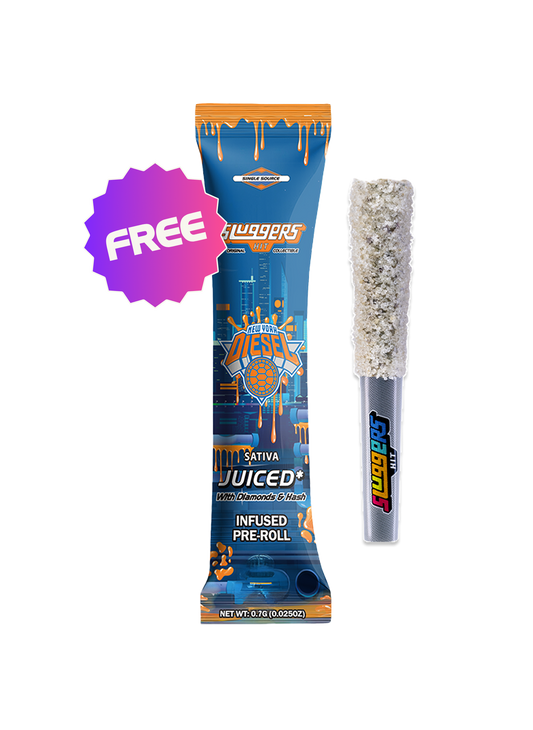
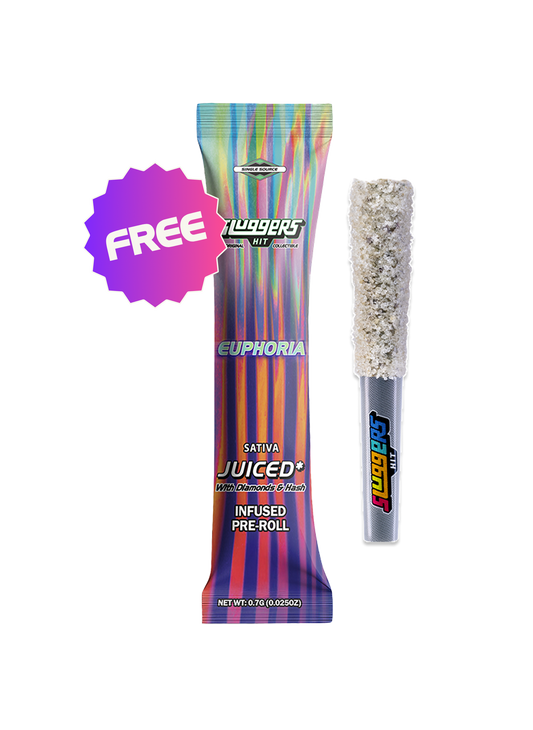
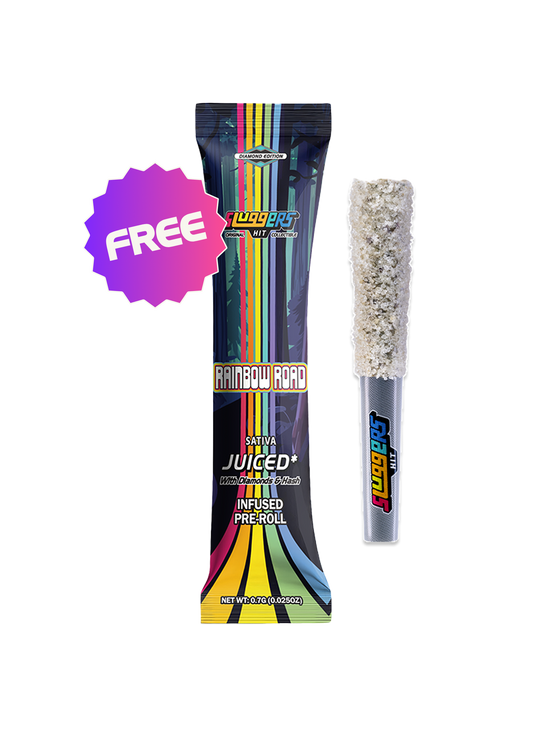

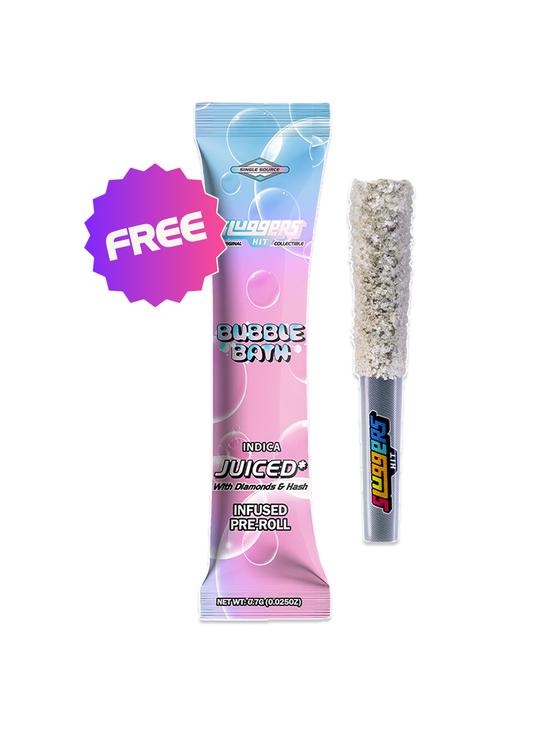
That’s where Sluggers Hit fits the vibe. The California brand is single-source and vertically integrated, running the journey from cultivation to packaging, so the experience stays consistent. Many products include QR verification so you can check authenticity before you spark up or tap the vape.
And it’s not just product—Sluggers shows up at pop-ups, links with collaborators, and drops collectible gear, so the brand feels like a scene, not a shelf you can actually join.
How Cannabis Affects Sleep
Cannabis interacts with the endocannabinoid system (ECS)—Sluggers included—a network involved in stress response, mood, pain, and daily sleep regulation overall. Cannabinoids like THC and CBD can influence how quickly you drift off and how settled you feel through the night.
Here’s the headline: THC for sleep is often linked to faster sleep onset and longer sleep time, but it may reduce REM sleep (the dream-heavy stage). Some people love fewer intense dreams. Others miss them. Either way, it’s a trade.
CBD tends to play it differently. It’s non-intoxicating, and many people use it to take the edge off anxiety, stress, or discomfort—things that keep the mind doing backflips at bedtime.
If you want to repeat results, consistency matters. Sluggers’ single-source approach and QR checks make it easier to track what worked, instead of guessing with random potency.
Cannabinoids: THC vs CBD for Sleep
THC for sleep
THC is the classic “lights out” option at moderate doses. Many users report deep relaxation and easier sleep onset. Go too high, though, and THC can flip into anxiety, racing thoughts, or a weirdly alert buzz—like your brain decided to host a midnight podcast.
CBD for sleep
CBD won’t get you high. It may support sleep indirectly by reducing anxiety or pain, which can help you wind down. CBD alone may feel less sedating than THC, but it can pair well with nighttime routines.
Combining THC and CBD
For some people, a blend feels smoother. Think: THC helps you fall asleep, and CBD helps your body unclench. If you’re shopping for Sluggers, this is when reading the label (and scanning that QR) becomes your bedtime superpower.
Cannabis for Insomnia
Insomnia isn’t just “bad sleep.” It’s trouble falling asleep, staying asleep, or waking too early—often multiple nights a week. People turn to cannabis because it can feel faster than rebuilding their whole lifestyle overnight.
There’s growing interest and plenty of anecdotes, but outcomes vary. Some users feel relief; others notice tolerance building or sleep quality changing over time. If symptoms are severe, long-lasting, or tied to mental health concerns, talk with a healthcare professional. Cannabis can be part of a plan, not the whole plan.
Sluggers supports the “be smart about it” approach with verified products and a culture that still respects craft and testing.
Indica vs Sativa for Sleep
The old-school rule says:
• Indica = calm, body-heavy, evening-friendly
• Sativa = energy, daytime, “Why am I reorganizing drawers at midnight?”
That’s why indica-dominant varieties are commonly recommended for sleep. But strain labels aren’t destiny. Cannabinoids, terpenes, dose, and your tolerance usually predict effects better than the name on the jar.
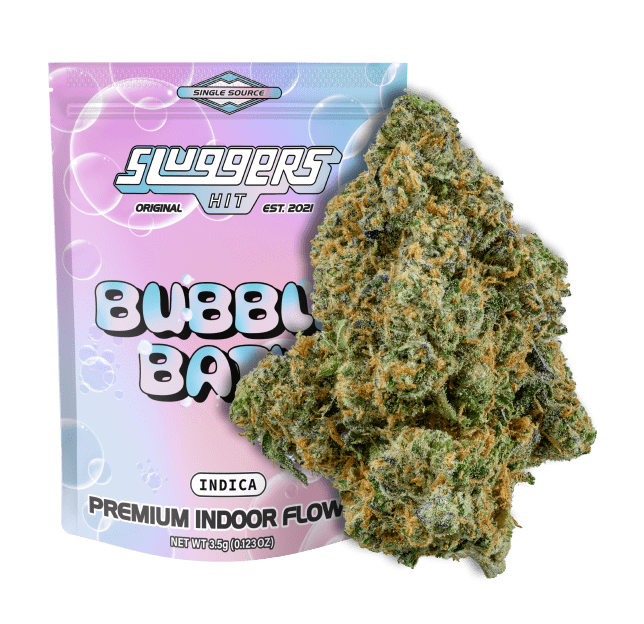
Bubble Bath Indica Flower 3.5g
Terpenes and Their Role in Sleep
Terpenes are aromatic compounds in cannabis and other plants. They shape flavor, and they may help steer how a product feels alongside THC and CBD.
Sleep-leaning terpenes people often mention include:
• Myrcene: relaxing, “sink into the couch” energy
• Linalool: floral, lavender-like calm
• Caryophyllene: peppery, often chosen for body comfort
If you’re picking cannabis flower for nights, terpene-forward options can be a smart filter when you’re chasing mellow, not mayhem.
Best Cannabis Strains for Sleep
These are popular nighttime picks people commonly use for deeper relaxation. Experiences vary, and results depend on your tolerance, dose, and product specifics.
Popular Nighttime Strains
• Hindu Kush—grounded, heavy, calm
• Granddaddy Purple—mellow body unwind, often myrcene-forward
• Northern Lights—cozy, classic chill
• Harlequin—balanced THC/CBD vibe for gentler nights
• Grape Ape—frequently described as sleepy-time friendly
• Girl Scout Cookies & Pink Kush—indica-leaning favorites for evenings
Flagship move: Browse Sluggers’ sleep-ready strains trusted by seasoned users for better nights. If you see a Sluggers Sleep Collection (or “Rest Mode”-style picks), start there and build from what your body likes.
Format matters too. Sluggers offers infused pre-rolls like Juiced Packs (including the JUICED* 5 Pack), potent blunts, sleek glass-tip joints, disposable Gram Slam vapes, live rosin concentrates, and hand-trimmed 5-gram flower jars—so you can match your sleep routine to your preferred lane.
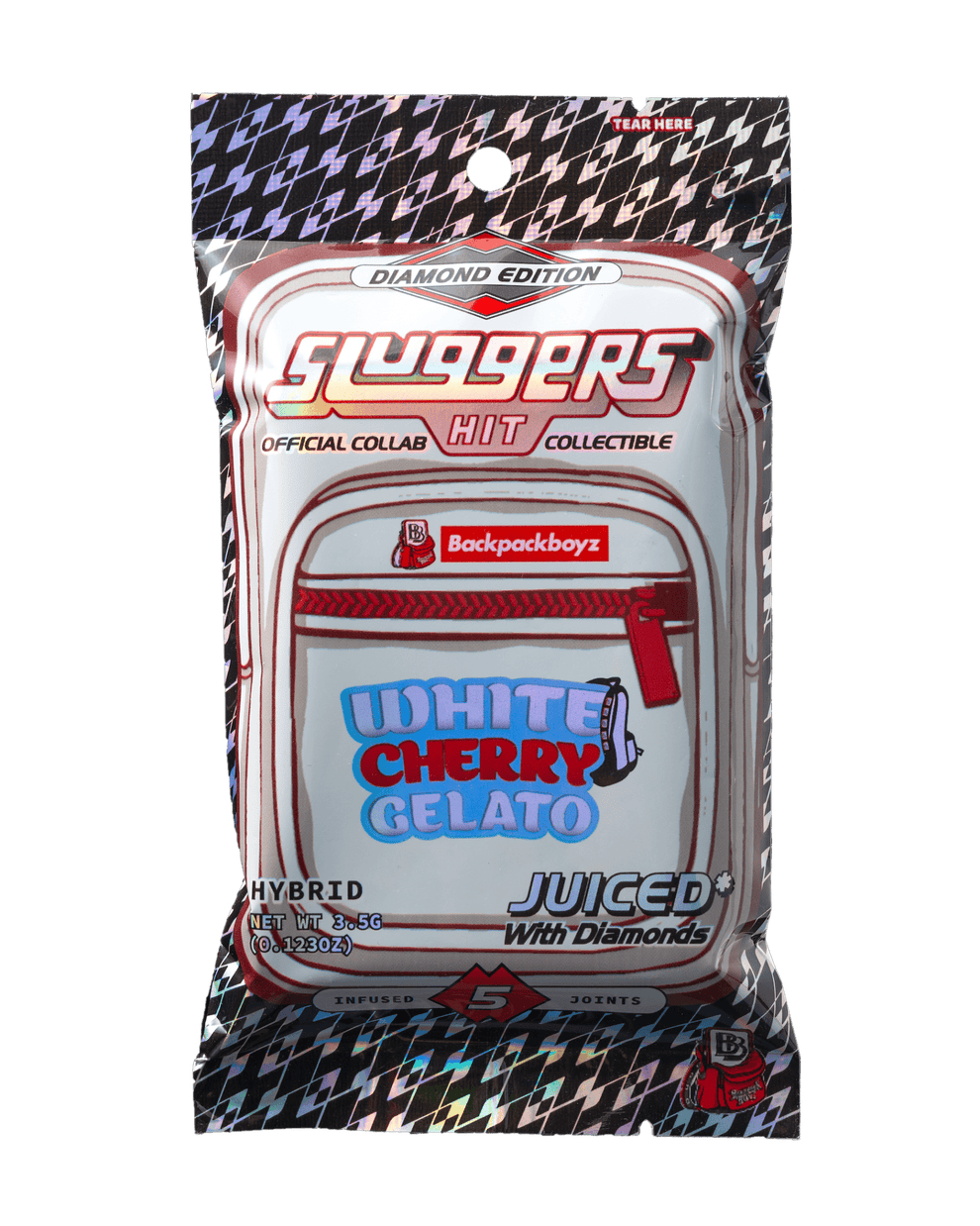
White Cherry Gelato Hybrid Juiced* 5-Pack
Tips for Using Cannabis to Support Sleep
A good night isn’t about going hard. It’s about going right.
Sleep loves routine—stay consistent.
• Pick your delivery method
- Inhalation (pre-rolls/vapes): faster onset, easier to adjust
- Edibles: slower onset, longer duration, easier to overdo
- Tinctures: a middle lane for controlled dosing
• Start low and go slow
Especially with THC. New to nighttime cannabis? Sluggers’ half-gram rolls are a gentle start for testing tolerance without diving into the deep end.
• Time it well
Too early, and effects may fade before sleep. Too late and you’re sleepy… at sunrise. Build a simple log: product, dose, time, and result.
• Stay legal and informed
Local regulations vary. Shop responsibly and use verified products when possible.
Risks, Side Effects, and Considerations
Cannabis can cause dry mouth, grogginess, dizziness, or changes in sleep stages. Regular heavy use may raise tolerance, making it harder to get the same effect without increasing the dose. THC may reduce REM sleep, which can affect dreaming and how rested you feel.
It’s not for everyone—especially if you’re pregnant, underage, managing certain mental health conditions, or taking medications that could interact. When in doubt, ask a clinician.
Also: protect your peace by avoiding counterfeits. Sluggers leans into QR verification and authenticity education, plus pop-up events, collaborations, and collectible drops that turn cannabis into a full lifestyle—without the sketchy mystery bag.
Conclusion
So, is cannabis good for sleep? The best answer is personal: THC may help you fall asleep faster (while potentially reducing REM), CBD may help by easing anxiety or pain, and terpenes like myrcene and linalool can tilt the vibe toward calm. Experiment thoughtfully, track what works, and don’t be afraid to ask a pro when sleep issues hit hard.
If restless nights are part of your routine, it's time for a shift. Sluggers offers sleep-minded cannabis experiences rooted in strain science and elevated quality. Whether you're chasing REM cycles or just need a relaxing evening, Sluggers has a pre-roll to help you wind down—on your terms. Explore Sluggers Sleep Collection Now
FAQs about Best Cannabis for Sleep
Can cannabis really help with insomnia?
Some people report easier sleep onset or fewer wake-ups, but results vary by dose, product type, and the person. If insomnia is severe or persistent, consult a clinician.
What’s the difference between THC and CBD for sleep?
THC is intoxicating and often feels more sedating at moderate doses. CBD is non-intoxicating and may support sleep indirectly by easing anxiety or discomfort. Many people prefer a balanced combo.
Are certain cannabis strains better for sleep than others?
Often, yes—but “indica” alone isn’t the whole story. Cannabinoid levels, terpene profiles (like myrcene or linalool), and your tolerance usually matter more than the label.
How should I use cannabis for sleep safely?
Start with low doses, consider the delivery method and onset time, be aware of side effects, and consult a physician if necessary. Terpenes are aromatic compounds that may contribute to relaxation; myrcene is particularly noted for sedative-leaning effects.