

Can CBD Help With Inflammation? What Science Says About Pain Relief & How to Use It
By Website Staff • 6 MIN READ • 12/22/2025
Sore back? Angry knees? Same story: you type, Can CBD Help With Inflammation? Benefits, Forms & Dosage, and fall into a rabbit hole of bold claims and tiny fine print.
Let’s keep it real. CBD (cannabidiol) may influence how the body processes discomfort and inflammation signals, but it’s not a magic “off switch.” Results vary. Research is still evolving.
Claim Your Free Joint


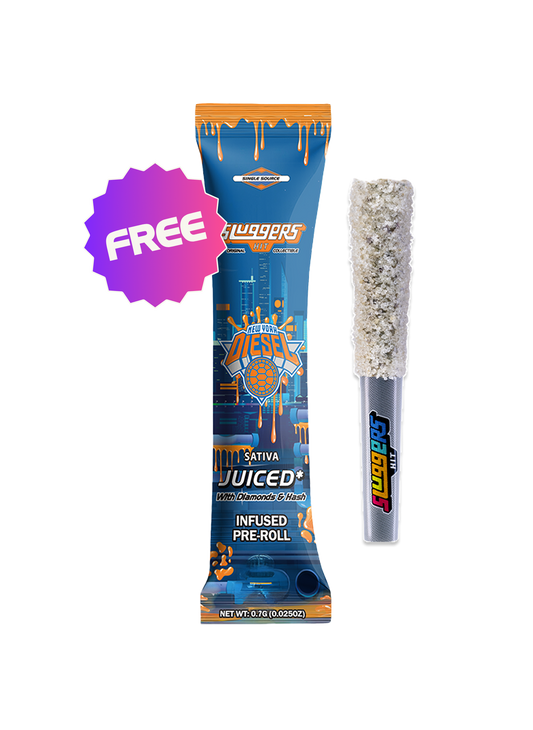
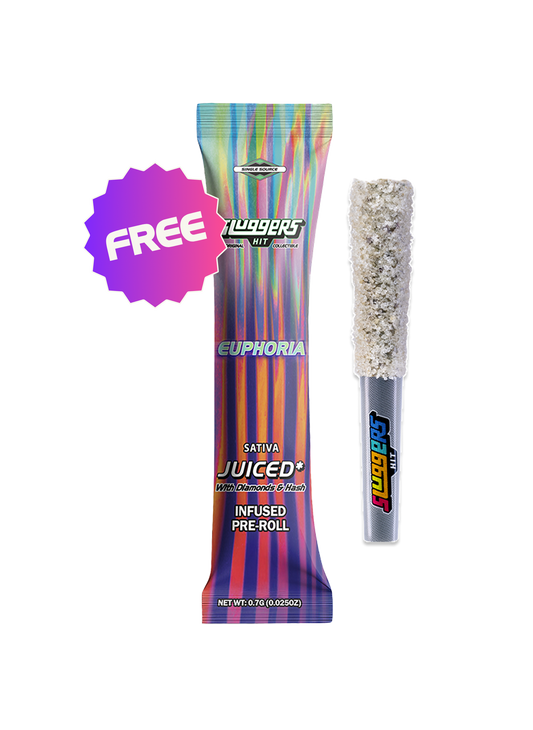
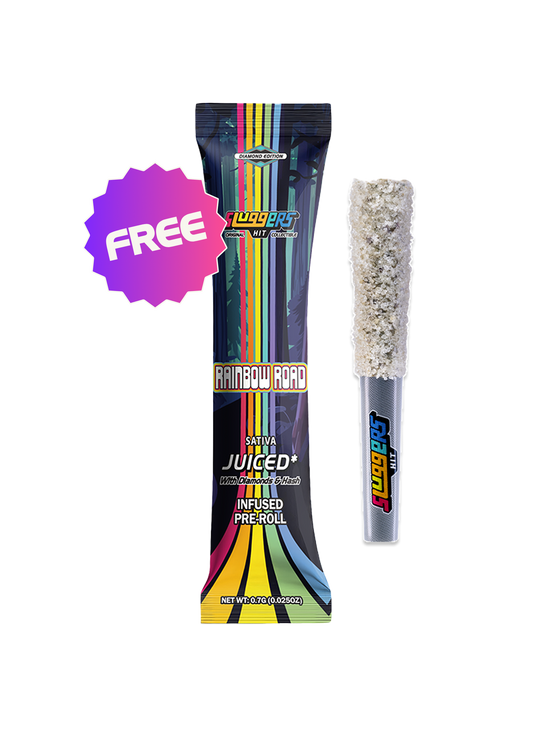

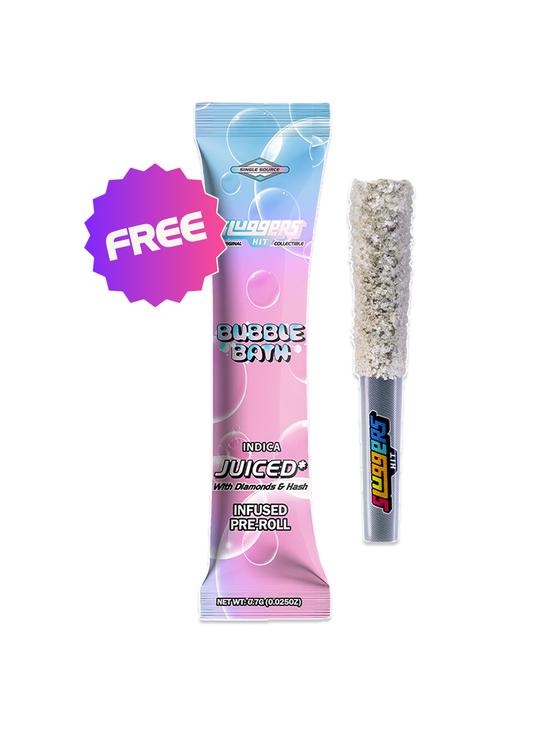
If you’re going to explore cannabinoids, do it with products you can verify. That’s where Sluggers steps in: a California, single-source brand that runs seed-to-shelf (cultivation to extraction to packaging) and uses QR verification so you can check potency, lab results, and authenticity before you spark it.
Inflammation 101: The Quick (Not Boring) Version
Inflammation is your body’s security team. When something’s wrong, it shows up fast—swelling, heat, soreness.
Acute inflammation is short-term. You tweak a shoulder. It flares, then fades.
Chronic inflammation sticks around. It can feel like stiffness, lingering aches, or joints that complain on rainy days. This is why many “CBD for inflammation” searches are really about arthritis-style joint pain, even if the word “arthritis” never makes it into the search bar.
If pain is severe, sudden, or hanging around for weeks, check in with a medical professional. This is education, not medical advice.
Can CBD Help With Inflammation? What Science Actually Says
CBD is being studied because it interacts with pathways tied to pain signaling, stress response, and immune activity. The headline sounds like hype. The reality is more “it depends.”
Here’s the grounded take:
• Some studies and reviews suggest CBD may help some people feel less discomfort, depending on dose, product type, and whether THC is involved.
• Other well-controlled trials show little difference versus placebo for pain outcomes.
• Side effects and medication interactions can happen, especially with higher doses or frequent use.
So… can CBD help with inflammation? Maybe. For some people. In some situations. With smart expectations.
CBD isn’t a “lights-out” switch for inflammation. For many people, if it works, it’s more like turning the volume down a notch—less cranky, more manageable. That’s why dosing consistency and proof matter. Scan COAs, compare cannabinoid amounts, and stick with transparent brands like Sluggers Hit, where QR verification helps you check what you’re actually getting.
A good rule: if a product page reads like a miracle ad, back away slowly. Look for clear cannabinoid amounts, testing information, and a brand that’s willing to show receipts. That “prove it” mindset fits Sluggers Hit—built for people who care about craft and want to know what they’re inhaling.
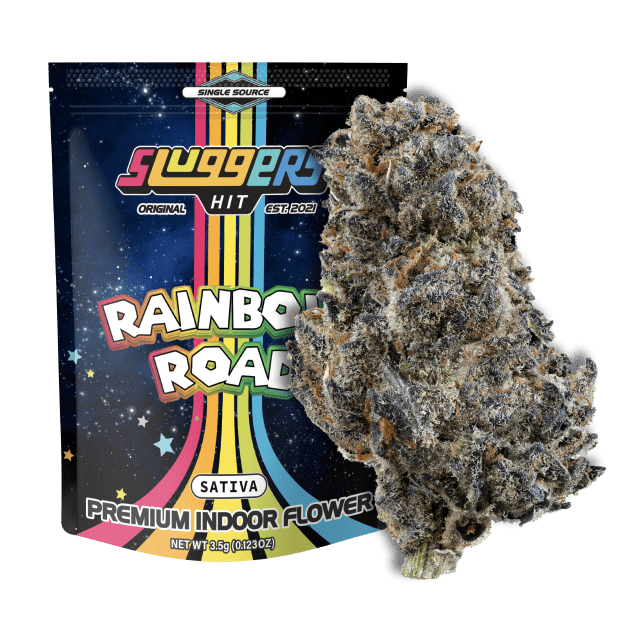
Rainbow Road Sativa Flower 3.5g
CBD vs. THC: Two Cannabinoids, Two Different Vibes
CBD is usually non-intoxicating. People use it hoping for calm or comfort.
THC is the “high” cannabinoid. It can change how pain feels for some people, but it can also bring dry mouth, brain fog, or anxiety—especially if you overshoot.
A simple lane map:
• CBD-forward: lighter, often more daytime-friendly
• Balanced CBD/THC: middle lane (go slow)
• THC-forward: stronger effects; respect potency
If you want inflammation support and a premium session, Sluggers Hit is built for the crossover: terpene-rich flower, infused pre-rolls, potent blunts, and live rosin options that feel like a lifestyle, not a lab experiment.
Start at the brand hub: https://sluggers.com/
And yes, the culture counts. Sluggers fans show up for pop-ups, collabs, and collectible drops the same way sneakerheads chase releases—part flavor, part flex, part community.
Forms of CBD for Inflammation: Vapes—Gram Slam Vapes
Vapes can feel fast. Effects often show up quicker than edibles because inhalation gets cannabinoids moving sooner. The tradeoff is that the ride may be shorter.
Keep it simple:
• Take 1–2 small pulls, then wait a few minutes.
• Don’t chain-hit just because it tastes good.
• Stick with products that publish testing and use solid hardware.
On the Sluggers side, Gram Slam Vapes are disposable, built for bold flavor and smooth pulls—easy for on-the-go sessions.
If you’re exploring vapes, keep expectations grounded and check potency first.
Other Forms: Oils, Edibles, Capsules, Topicals, Flower & Pre-Rolls
Different forms hit differently. Timing, duration, and dose control change the whole experience.
Quick cheat sheet:
• Oils/tinctures: flexible dosing, mid-range onset
• Capsules/tablets: slower onset, more predictable
• Edibles: slow onset, longer ride (wait before taking more)
• Topicals: localized use; evidence is limited, but some people like the targeted approach
• Flower/joints/pre-rolls: faster onset when inhaled
If you’re choosing products based on both comfort and culture, Sluggers Hit has plenty to explore—without making medical promises:
• Juiced 5 Pack infused pre-rolls: loud flavor and heavy effects
• Glass-tip joints: smoother pull, cleaner ritual
• 5-gram jars of hand-trimmed flower: terpene-first sessions
• Live rosin concentrates: solventless taste for the flavor crowd
• Mini Blunts: small, shareable, and perfect for a quick break
• Infused Blunts: when you want the volume turned up
Quick reality check: stronger isn’t automatically better. It’s just stronger.
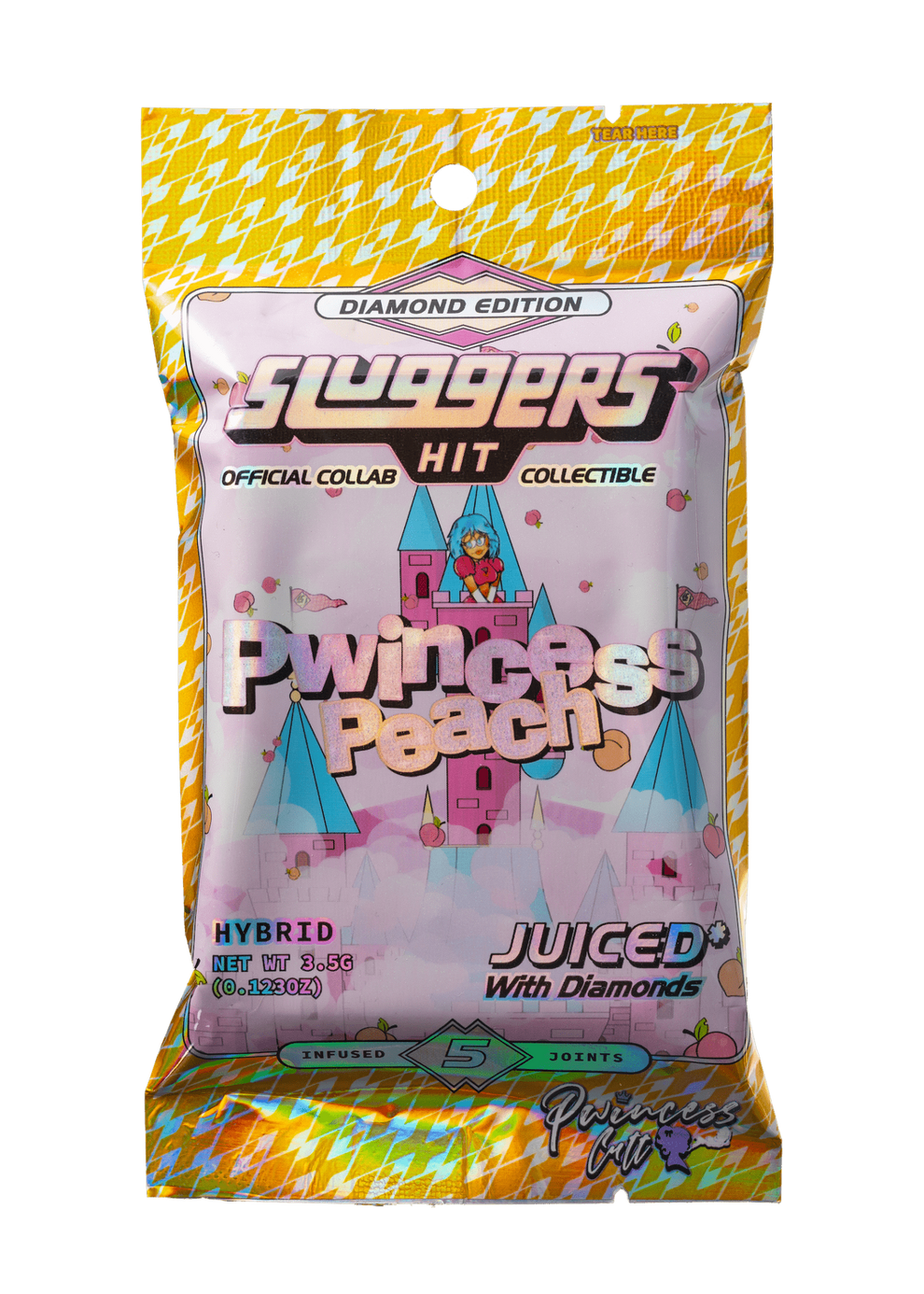
Pwincess Peach Hybrid Juiced* 5-Pack
Dosage and Administration
Dosing is where people either win… or get stapled to the couch.
A safer playbook:
• Start low, especially with THC or mixed products.
• Go slow: inhalation can feel quick; edibles can take hours.
• Track it: product, mg, time, and how you felt.
• Read the label and lab info—don’t guess.
Edibles and tablets can take 1–2+ hours to fully show up, while vapes may hit in minutes—so don’t stack doses too fast. If you’re adjusting your routine, change one thing at a time (form, mg, or timing) and give it a few sessions before you judge it. With Sluggers Hit, use the label and QR-linked COA to confirm potency first.
For measurable dosing, Sluggers Pressed Tablets show cannabinoids in milligrams, which helps you stay consistent. Some versions are very high in THC per tablet, so treat them like “tiny bite” territory if you’re not experienced.
Start low and review potency details before use. If you take meds or have health concerns, talk with a qualified professional first.
How to Shop Smart: Quality, Authenticity, and the “Don’t Get Played” Checklist
Cannabis has craft. It also has hype. Buy like you’ve been here before.
Look for:
• COA access (potency + contaminant testing)
• Clear sourcing (single-source or clearly stated origin)
• Authenticity tools (counterfeits happen)
• Solid vape hardware
This is where Sluggers Hit keeps it tight: QR verification, consistent single-source production, and a focus on the full experience—from packaging to the pull.
And it’s not just product. Sluggers leans into community with pop-ups, collabs, and collectible drops. For a lot of fans, that’s the point: it’s a scene, not a secret.
Conclusion
So, Can CBD Help With Inflammation? Benefits, forms & dosage are a “maybe,” not a miracle. CBD may support comfort for some people, but outcomes depend on dose, product type, and your personal response. Keep it smart, especially if arthritis-style joint pain is part of your life.
Interested in exploring cannabinoid products that might support your wellness journey? Browse Sluggers Hit terpene-rich flower, infused pre-rolls, and vape options—and pair product choice with research and professional guidance.
Discover cannabinoid options that might complement your routine.
FAQs about Can CBD Help With Inflammation
Can CBD actually reduce inflammation?
CBD may influence inflammation-related pathways, but human research is mixed. Some people feel benefits, while studies often show smaller effects than marketing claims.
What is the best form of CBD for joint pain?
There’s no single “best.” Topicals are popular for targeted use. Oils and capsules are used for broader effects. Vapes can feel faster but may fade sooner.
How should I dose CBD for inflammation?
Start low, increase slowly only if needed, and give each dose time to work—especially with edibles. Choose products with clear mg labeling and available lab results.
Are there any side effects of using CBD regularly?
Yes. Some people get drowsy or experience stomach upset. CBD can also interact with certain medications.
Is topical CBD as effective as oral CBD oil?
They work differently. Topicals target a local area. Oral CBD is processed through the body. Evidence doesn’t clearly show topical matches oral for inflammation.