

Forbes and the Big-League THCa Flower Era
By Sluggers Dugout • 4 MIN READ • 06/28/2026
Forbes just put a stadium light on something cannabis insiders have felt for a while: THCa flower is no longer living in the shadows of counterculture. It’s moving like a real agricultural category, with scale, public-market ambitions, brand discipline, and consumers who care about more than a loud jar and a pretty label.
The Forbes story profiled Glass House Brands, described as operating America’s largest cannabis cultivation facility in Camarillo, California. The company is preparing to trade on the New York Stock Exchange on June 30, 2026, and projected it could cultivate 1 million pounds of cannabis and generate up to $245 million in sales by the end of 2026.
Try a Trial Pack


That’s not a tiny grow in a hidden room. That’s farming with a scoreboard.
Why does Forbes covering cannabis cultivation matter for THCa flower?
Because mainstream attention changes the conversation. Not overnight. Cannabis still has weird rules, state-by-state headaches, banking friction, and plenty of outdated stigma hanging around like a heckler behind home plate. But when Forbes frames cannabis flower as scaled agriculture and a consumer-brand category, the industry gets read differently.
People start asking sharper questions. Where was this grown? How consistent is the batch? What does the flower actually look, smell, and feel like? Is the brand built for repeat buyers or just chasing one flashy drop?
That matters for THCa flower in particular. THCa is the acidic precursor to THC, and flower rich in THCa has become a major lane for buyers who want premium cannabis flower with clear sourcing, terpene character, and a more traditional ritual. Grind it. Roll it. Pack it. Respect the plant. Simple, but not basic.
The best version of this category isn’t mystery weed with a QR code slapped on as decoration. It’s flower treated like performance gear. You don’t buy cleats without caring about grip, fit, and durability. You don’t buy a fitted cap without clocking the shape. So why would serious cannabis fans ignore harvest quality, handling, coating, cure, aroma, and batch identity?
Is cannabis becoming mainstream agriculture or losing its edge?
Here’s the fear some old-school heads have: when cannabis gets bigger, it gets boring. Sterile. Spreadsheet-grown. Flavor sanded down for mass production.
That can happen. Anyone pretending scale automatically equals quality is selling you a souvenir bat made of plastic. Big facilities can produce great flower, but they can also produce forgettable flower at impressive volume. The win is not size by itself. The win is when scale brings better controls, cleaner operations, repeatable standards, and more transparency without killing the culture that made flower worth caring about in the first place.
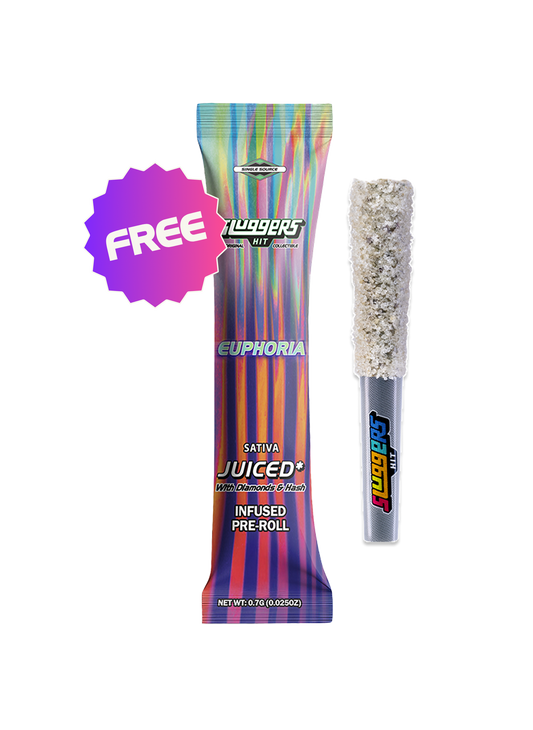
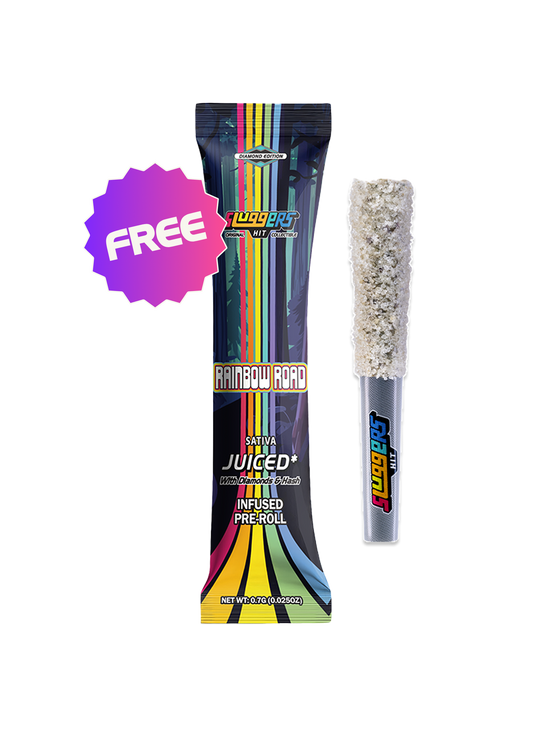
Free Joints





Forbes covering a huge Camarillo cultivation operation is a sign that the suits are finally looking at cannabis like agriculture. Fine. Let them. The culture still belongs to the fans who know the difference between a strain name and a real smoking experience.
That’s the lane Sluggers plays in: premium but not precious, sporty but not gimmicky, built for a community that checks the lineup before stepping into the box. We like flower with presence. Frost, nose, texture, flavor, and a vibe that matches the moment.
What should premium THCa flower buyers actually look for?
First, consistency. A good brand should feel like a reliable hitter. Not every at-bat needs to be a moonshot, but you should know what kind of game you’re getting. If a jar tastes incredible once and flat the next time, that’s not a brand, that’s a coin flip.
Second, batch awareness. Cannabis is still a plant, and plants have seasons, inputs, environments, and post-harvest decisions. Premium THCa flower buyers are getting more fluent in that reality. They want to know the product wasn’t treated like loose inventory in a warehouse. They want signs that someone cared after the harvest too.
Third, format honesty. Infused flower, classic jarred flower, vapes, and infused pre-rolls all play different positions. Don’t pretend the catcher is the shortstop. If you want a heavy-hitting flower experience with a smooth dessert profile, something like ICED Marshmellowz Sativa Jarred Infused Flower 3.5g makes sense because it tells you what it is: premium THCa-coated flower with vanilla marshmallow notes and a soft herbal finish. That’s a clear scouting report.
And finally, culture. Yes, culture. It’s fashionable to act like branding is fluff, but cannabis has always been communal. The sesh, the drop, the jar pass, the fit, the soundtrack, the inside joke. A premium cannabis lifestyle brand should make the product easier to trust and more fun to rep, not bury the flower under empty hype.
What’s the next inning for cannabis brands?
The public-market moment Forbes is tracking won’t magically fix cannabis. NYSE attention doesn’t cure bad product. Big projections don’t guarantee great flower. But legitimacy does raise the floor. It pushes the category toward better systems, better accountability, and consumers who expect more.
That’s good for serious THCa flower fans.
The next era belongs to brands that can balance agriculture and attitude. Clean execution with street-level taste. Scaled thinking without mass-market blandness. Products that feel as considered as sneakers, jerseys, and bats, but still keep the plant at center field.
Cannabis is growing up. Not getting dull. Growing up.
And for the Sluggers crowd, that’s the sweet spot: premium flower with a real point of view, built for people who care where it comes from, how it performs, and who they’re passing it to after the next big hit.