

THCa Flower: Stop Shopping by THC Percentage
By Sluggers Dugout • 3 MIN READ • 08/04/2026
The highest THC percentage doesn’t automatically mean the best THCa flower. It tells you something about cannabinoid content, but very little about aroma, flavor, cultivation, freshness, or how the flower will actually fit your night. Potency belongs on the stat card. It shouldn’t be the entire scouting report.
That distinction matters because the cannabis shelf has spent years trapped in a numbers race. Bigger percentage, bigger hype, bigger price. Meanwhile, beautifully grown cultivars with expressive genetics and deep terpene profiles get benched because they tested a few points lower. That’s not connoisseurship. It’s shopping with tunnel vision.
Try a Trial Pack


Why doesn’t THC percentage predict the best THCa flower?
THCa is the acidic cannabinoid found in raw flower. When heated, it converts into THC through decarboxylation. Labs may list THCa, delta-9 THC, and an estimated “total THC,” often calculated as delta-9 THC plus 0.877 times the THCa content. Useful information, sure. A crystal ball? Not even close.
Your experience can also be shaped by dose, terpene composition, minor cannabinoids, personal tolerance, consumption method, mood, and setting. A loud 24% cultivar with a vivid nose may feel more compelling than a flat 30% batch that smells like old hay. The scoreboard doesn’t capture chemistry’s whole lineup.
As Forbes has reported, experts increasingly argue that THC percentage is only one data point. Independent research has also found meaningful discrepancies between advertised and measured THC levels. Flower isn’t a perfectly uniform manufactured material, and testing can vary by sample selection, lab methods, moisture content, and batch. Chasing the biggest label number can reward questionable incentives rather than better flower.
What should you check besides potency?
Start with the nose
Aroma is one of the quickest clues that flower was grown, dried, cured, and stored with care. Citrus peel, pine resin, ripe fruit, pepper, cream, fuel, fresh herbs: specificity is the point. A strong smell alone isn’t proof of quality, but a distinct, layered aroma usually says more than a percentage printed in bold type.
Terpene results add context. Compounds such as limonene, myrcene, caryophyllene, linalool, and pinene may contribute to a cultivar’s character, though they don’t guarantee an exact effect. Think of the terpene profile as pitch selection. It helps explain how a strain plays, not just how hard it throws.
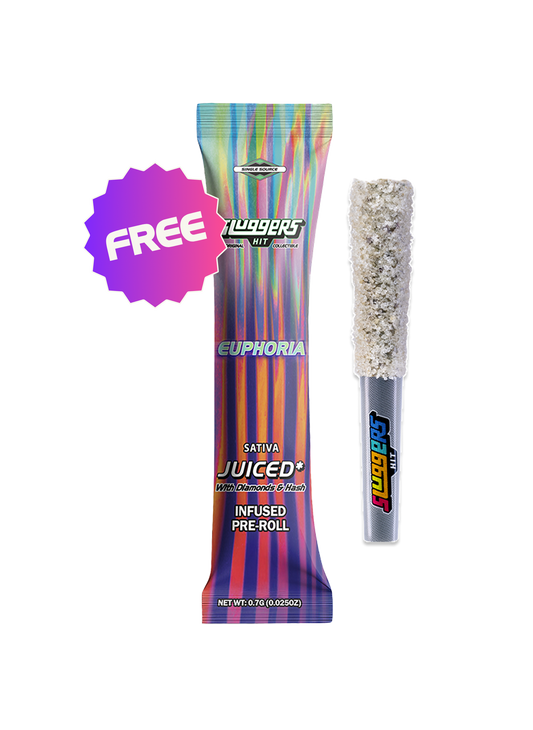
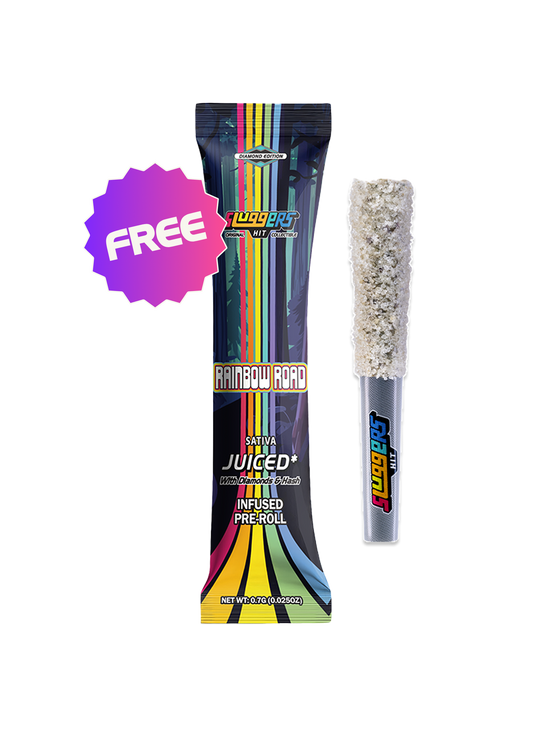
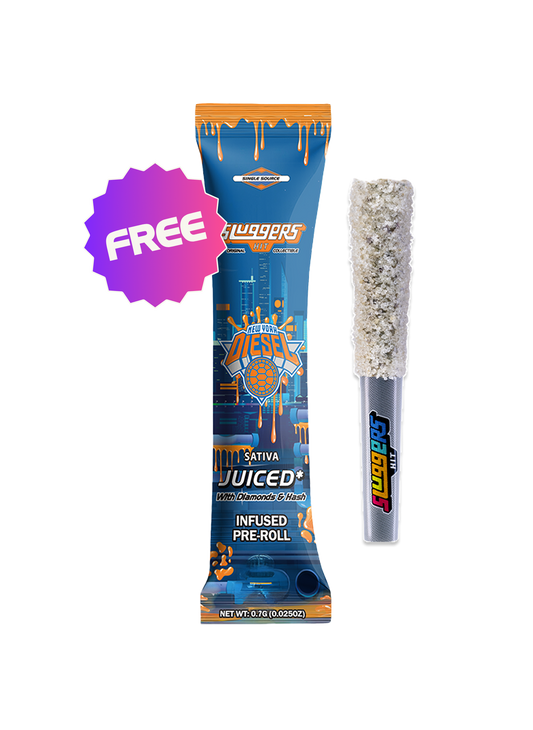
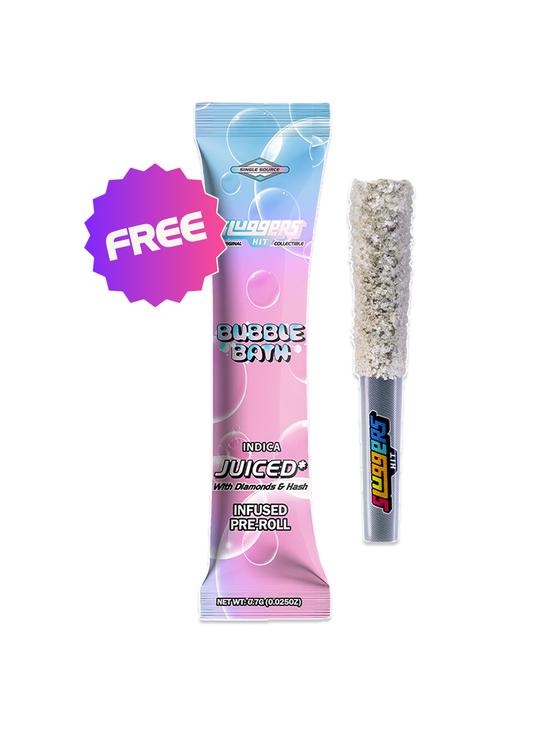
Free Joints



Scout the genetics and the grow
Genetics influence structure, aroma, cannabinoid ratios, and the range of experiences a cultivar may offer. Shopping only by THC can erase that diversity, favoring cultivars selected to win lab contests instead of delivering memorable flavor or balance.
Then inspect the fundamentals: intact trichomes, thoughtful trimming, healthy color, and buds that feel resilient rather than dusty or damp. Good cultivation can’t be reduced to indoor versus outdoor or one trendy technique. What matters is execution, followed by a controlled dry and cure. Plenty of promising flower has struck out in that final inning.
Check freshness and transparent lab results
Look for harvest, package, or batch dates when available. Fresh flower should have some spring and tack without feeling wet. If it crumbles into confetti, volatile aromatics have probably left the stadium. Proper storage in a cool, dark environment matters too.
A trustworthy certificate of analysis should match the product and batch, clearly identify the testing lab, and show more than one flashy cannabinoid figure. Depending on local requirements, that may include cannabinoid and terpene panels plus screening for pesticides, heavy metals, microbes, or residual solvents. Transparency isn’t sexy, perhaps, but neither is a mystery box wearing a 35% sticker.
How do you choose flower for the experience you want?
Reverse the usual shopping process. Ask what occasion you’re buying for, which flavors you enjoy, how much experience you have, and whether you want something mellow, bright, social, or balanced. Indica, sativa, and hybrid labels can offer a rough starting point, but they aren’t rigid promises.
For example, Bubble Bath Indica Flower leans into floral and herbal notes with lavender and citrus, while Rainbow Road Sativa Flower brings a fruitier, citrus-forward lane. Those sensory details give you something useful to shop by. One isn’t “better” because of a larger number. They’re built for different innings.
The smarter scorecard is simple: aroma, terpene character, genetics, freshness, cultivation, batch-specific testing, and consistency over time. Then consider potency. Not first. Not alone.
Sluggers is part of a new generation that treats cannabis like culture and craft, not a gas-station horsepower contest. Read the full card, trust your senses, and choose the flower that fits your game. Adults 21+ only. Enjoy responsibly and follow local laws.