

Why Off-Duty Delta-9 THC Is Losing Hiring Stigma
By Sluggers Dugout • 3 MIN READ • 07/28/2026
Pre-employment cannabis testing is losing ground because more employers recognize a basic distinction: responsible, off-duty Delta-9 THC use doesn't automatically predict how someone will perform at work. A nationwide survey covered by Forbes found that 48% of employers no longer require cannabis screening for at least some positions. That's more than an HR policy update. It's a cultural milestone.
The old assumption was simple and blunt: a positive test meant a risky hire. The new playbook asks a smarter question. Can this person do the job safely, reliably and professionally?
Try a Trial Pack


Why are employers dropping cannabis screening?
For years, cannabis testing was treated like standard pregame paperwork. Nobody questioned whether it measured something useful. Now companies are looking at a tight labor market, changing state laws and a workforce that increasingly views legal adult cannabis use like other off-hours lifestyle choices.
Major employers including Amazon, Citigroup, Home Depot and AutoNation have eliminated cannabis screening for many non-safety-sensitive jobs. These aren't fringe businesses making a rebellious statement. They're enormous organizations that care deeply about productivity, liability and hiring qualified people. When that lineup changes strategy, the rest of the league notices.
Recruiting pressure matters, too. Among employers that still test applicants, 44% said the policy negatively affects recruiting, according to the survey reported by Forbes. Nearly one-quarter are considering a change. Translation: companies may be benching capable candidates for conduct that happened legally, privately and nowhere near the workplace.
That's a costly own goal, to borrow from the wrong sport.
What does a Delta-9 THC test actually reveal?
Traditional urine and hair tests can detect evidence of past THC exposure. They generally don't establish that someone is currently impaired, and they don't show whether consumption happened during work hours, over a quiet weekend or weeks earlier. THC metabolites can remain detectable long after the noticeable effects have left the stadium.
Free Joints

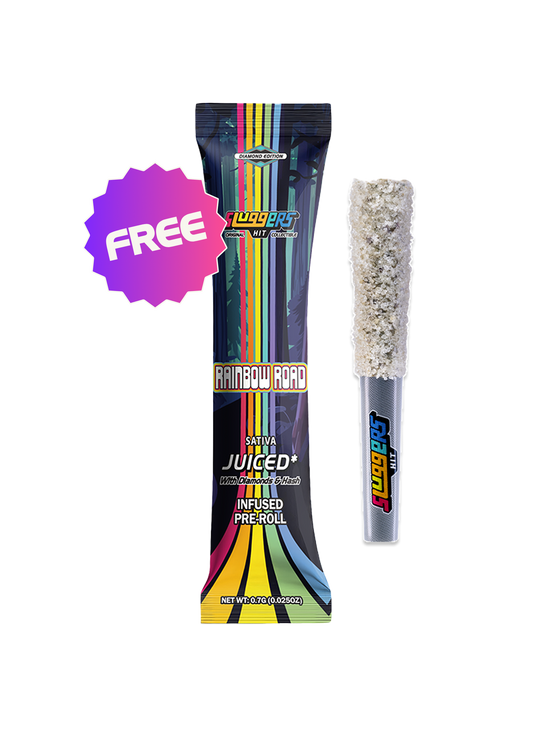


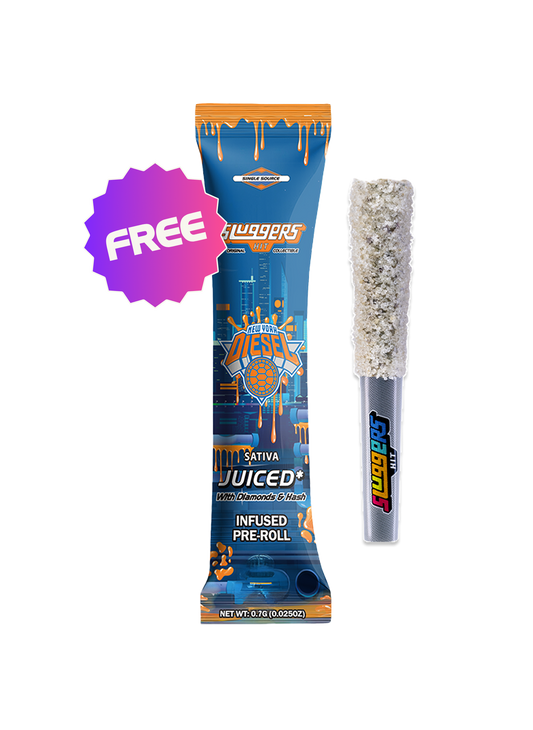
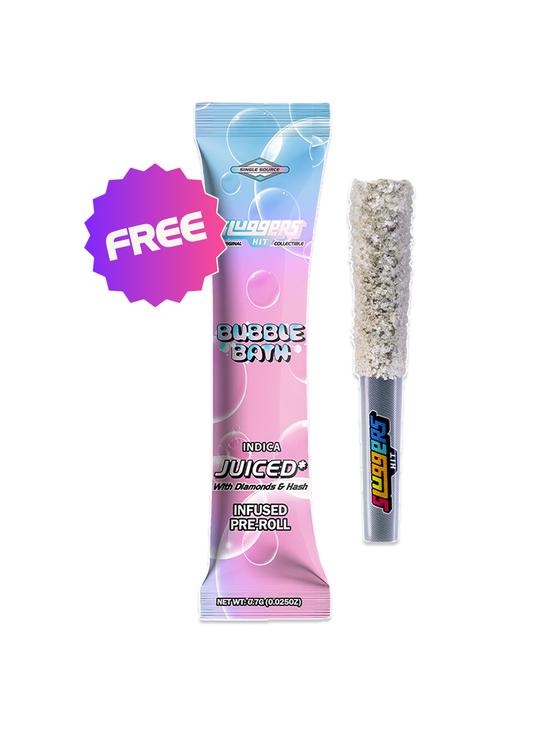

This mismatch is central to the policy shift. Employers usually want to prevent workplace impairment, accidents and poor judgment. Fair enough. But a historical-use test is a shaky substitute for evaluating present behavior. It can tell a company that cannabis entered someone's system. It can't reliably tell them whether that person showed up ready to work.
Delta-9 THC also carries more cultural baggage than many legal off-duty choices. Nobody assumes an applicant who enjoyed a glass of wine on Saturday will arrive impaired on Monday. Cannabis hasn't fully reached that level of normalization everywhere, but workplace policy is beginning to catch up with the distinction between use and misuse.
Does this mean cannabis testing is disappearing?
No. Safety-sensitive and federally regulated positions remain significant exceptions. Transportation, aviation, heavy machinery, government contracting and other high-risk fields may follow strict testing rules regardless of state cannabis laws. Federal law still matters, company policies vary and local protections are anything but uniform.
The responsible move is to know the rules of your field before stepping into the batter's box. Read the employer's drug and alcohol policy. Understand the laws where you live. If a role involves public safety or federal oversight, don't assume broader cultural acceptance changes the requirements.
And normalization isn't permission to get loose on the clock. Sluggers stands for intentional adult consumption: know your personal limits, choose your setting and keep THC completely out of the workday. Never consume before or during work. Never drive impaired. If you're on call, responsible for others or unsure how long the effects may last, sit that session out. The best players know when not to swing.
That standard matters because workplace acceptance will be shaped by behavior, not slogans. Adults who consume responsibly and still deliver excellent work make the strongest case that off-duty cannabis use shouldn't be an automatic career liability.
This is the bigger win. Cannabis culture isn't asking for a free pass. It's asking to be judged on performance, safety and judgment rather than stale assumptions. For the Sluggers community, that's familiar territory: quality choices, personal responsibility and respect for the whole clubhouse.
The hiring stigma isn't gone, but the scoreboard is moving. Finally.