

Delta-9 THC Enters the Consistency Era
By Sluggers Dugout • 3 MIN READ • 07/21/2026
The next era of Delta-9 THC won’t be won by whoever prints the loudest potency number on the package. It’ll belong to brands that can deliver the same carefully formulated product, backed by clear testing and transparent labels, batch after batch. Spain’s latest cannabis milestone puts that shift in sharp focus.
Under the country’s new medical cannabis framework, Spain has approved its first standardized THC-dominant and CBD-dominant cannabis preparations. Distribution will happen through hospital pharmacies, a tightly controlled channel that signals growing institutional acceptance of precisely formulated cannabis.
Try a Trial Pack


This is a medical-market development, not an adult-use green light. Still, the larger message crosses league lines: cannabis is maturing, and consistency is becoming the price of admission.
Why does Spain’s cannabis approval matter?
“Standardized” can sound like regulatory wallpaper, but it means something concrete. The cannabinoid composition must meet defined specifications, production has to be repeatable, and each preparation needs to behave like the product described on its label.
That doesn’t mean cannabis suddenly becomes identical for every person. Biology is messier than a box score, and individual experiences can vary. Standardization is about controlling the product variables that manufacturers actually can control, including potency, formulation, purity and batch-to-batch uniformity.
The hospital-pharmacy route raises the stakes further. Products entering that setting aren’t being judged only on branding or strain lore. They’re expected to arrive with documented composition, dependable manufacturing and quality controls that can withstand professional scrutiny.
There’s a business signal here, too. Forbes reports that Curaleaf’s international revenue increased 35% year over year in the first quarter of 2026, reflecting expanding demand across regulated global markets. One company’s quarterly result doesn’t define the whole industry, but the direction is hard to miss. Markets are putting real money behind cannabis products built for regulated systems.
What does consistency mean for Delta-9 THC products?
Adult-use cannabis plays on a different field from Spain’s medical framework, yet consumers should expect the same fundamentals from premium Delta-9 THC products: accurate potency information, traceable batches, contaminant screening and formulations designed with intention rather than guesswork.
Reliable potency beats label theater
A giant THC percentage may catch the eye, but it’s not the entire scouting report. The better question is whether the stated potency accurately reflects the contents and remains reasonably consistent between batches.
Free Joints
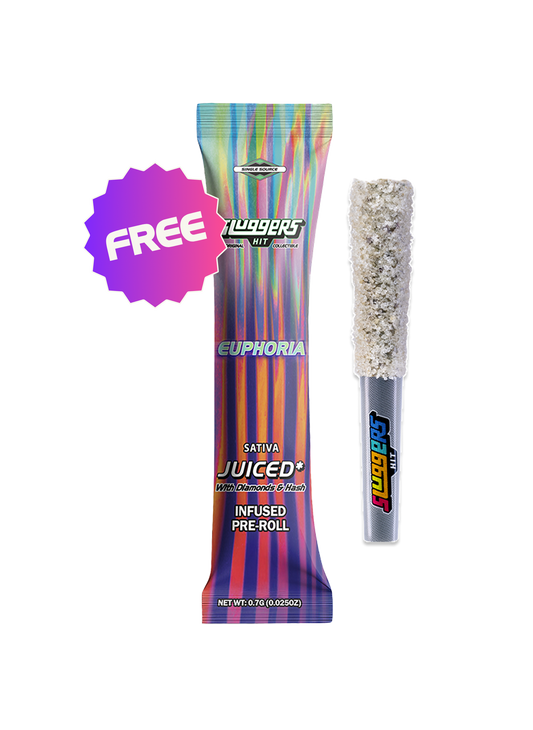
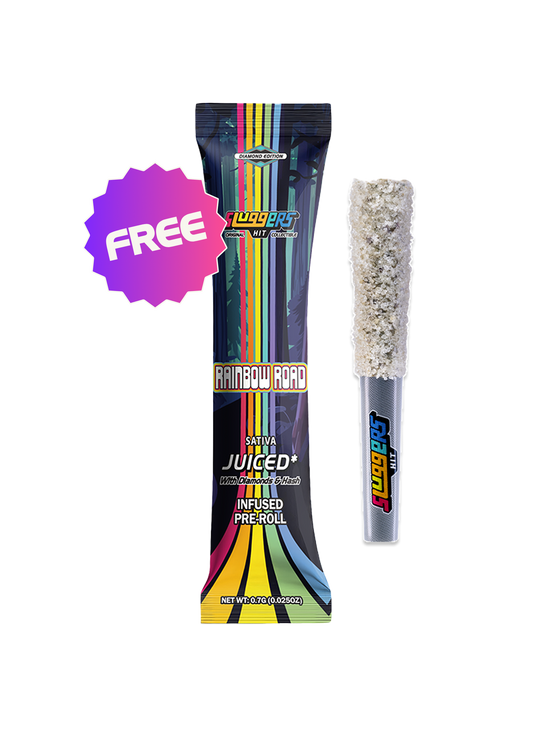


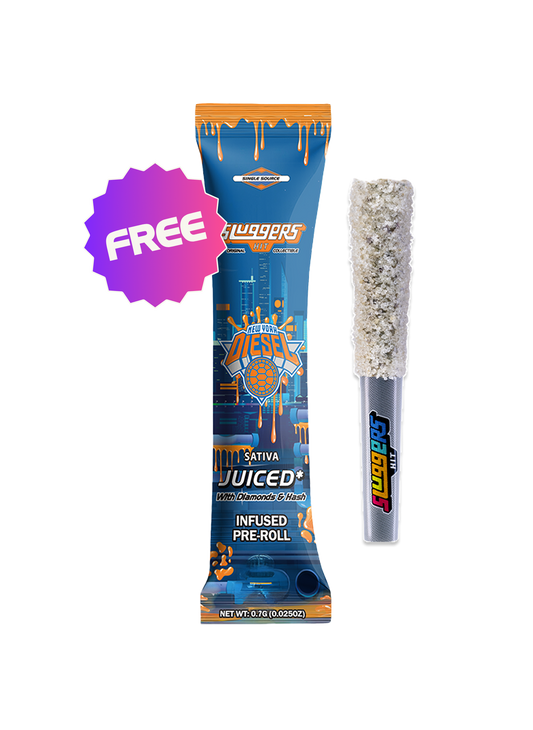
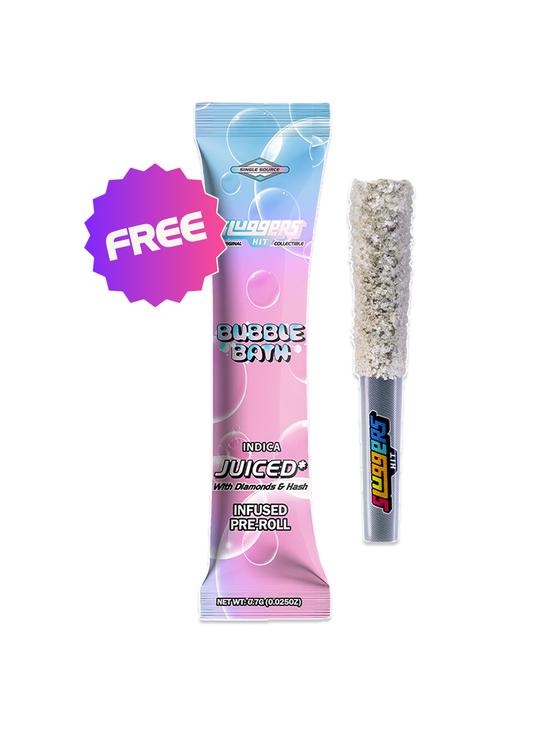

That matters across formats. Flower naturally varies. Infused pre-rolls require even distribution of flower and concentrates. Vapes add oil formulation and hardware performance to the equation. When evaluating a format such as the Euphoria Sativa Vape 2g, the experience isn’t defined by a single number. Flavor profile, formulation, device function and product freshness all share the lineup card.
Batch testing is the receipt
A reputable cannabis product should be connected to a specific production lot. That lot can be tested for cannabinoid content and screened according to applicable market requirements. A certificate of analysis, often called a COA, gives consumers and retailers a way to compare the label with the laboratory results.
Testing isn’t glamorous. Nobody has ever camped outside a drop for a spreadsheet. But it’s the infrastructure that lets premium cannabis culture grow without turning quality into a trust-me exercise.
Premium formulation should feel deliberate
Good formulation is more than loading a product with THC. It considers how cannabinoids, concentrates, flower, terpenes and delivery format work together. The goal isn’t to make medical promises or guarantee a particular outcome. It’s to create a product with a clear identity and repeatable specifications.
That distinction matters as infused products become more elaborate. Diamonds, rosin, hash and liquid concentrates can create standout formats, but complexity only earns its roster spot when the components are thoughtfully sourced, proportioned and tested.
How can adults spot a quality-first cannabis brand?
Start with the basics. Look for a readable label, defined THC content, a batch or lot number, required compliance information and testing details appropriate to your local market. Packaging should protect the product, not merely look good on a shelf. If the potency language is vague or the testing trail disappears, that’s a swing and a miss.
Context matters, too. Delta-9 THC laws and product rules vary by location, so adults 21 and older should buy only where permitted and follow local requirements. Medical frameworks, state-regulated adult-use programs and federally lawful hemp channels aren’t interchangeable, even when similar cannabinoid names appear on the label.
Spain’s move won’t standardize the global cannabis market overnight. Regulations remain fragmented, and each country is writing its own playbook. But the trajectory is clear enough: precision is replacing improvisation.
For cannabis brands, culture still counts. Flavor counts. Design absolutely counts. Yet none of those can cover for inconsistent production forever. The future of Delta-9 THC belongs to teams that bring quality, transparency and repeatability every time they step up to the plate.