

Senate Bill Could Protect Hemp THC in 2026
By Sluggers Dugout • 3 MIN READ • 07/17/2026
A new Senate proposal could keep hemp-derived THC in the federal lineup beyond November 2026, but only if Congress passes it. The Cannabis Administration and Opportunity Act would federally legalize and regulate cannabis while blocking a scheduled policy change that could make many products in the federally legal hemp cannabis market unlawful. The bigger signal? Washington is increasingly debating how adults should access cannabis, not simply whether prohibition should continue.
That’s a meaningful change in the scouting report.
Try a Trial Pack


What would the Senate bill do for federally legal hemp cannabis?
Senate Democrats introduced the Cannabis Administration and Opportunity Act as a broad federal legalization bill. According to reporting from Marijuana Moment, its updated hemp provisions would prevent the scheduled November 2026 federal recriminalization of hemp-derived THC products.
Without congressional action, that change could remove numerous intoxicating hemp products from their current federal legal category. The Senate proposal takes another route: keep adult products on the field, then establish clearer rules around production, distribution, potency labeling and sales.
That distinction matters. A blanket ban doesn’t erase demand. It pushes consumers toward confusing labels, questionable sellers and products operating outside meaningful oversight. Regulation isn’t glamorous, but neither is buying something with no reliable idea of what’s inside. Potency information, consistent manufacturing expectations and accountable distribution are the basic equipment of a legitimate adult marketplace.
The bill would also support cannabis research and measures designed to prevent youth access. That combination is the smart play. Adults get a regulated lane, researchers get more room to study cannabis, and sellers face clearer expectations about who can purchase it.
Is federal cannabis policy moving from prohibition to regulation?
Slowly, unevenly and with plenty of extra innings. Still, yes.
The proposal reflects a broader shift in federal cannabis policy. Lawmakers are no longer discussing hemp-derived THC only as a loophole to close. They’re considering what a regulated 21+ market should actually look like, including how products are made, labeled and sold.
Free Joints

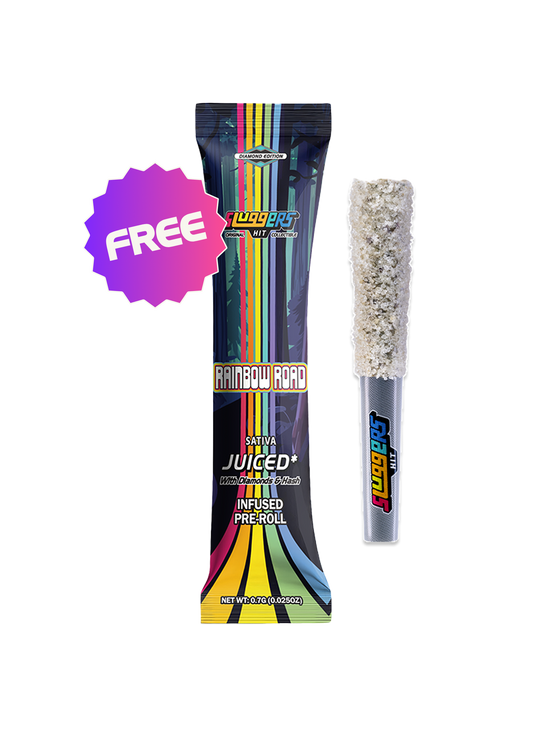





That’s closer to the reality consumers already inhabit. Hemp THC isn’t an abstract debate happening under fluorescent lights in Washington. It’s flower, vapes, infused pre-rolls and other formats purchased by informed adults who want predictable quality and useful product details. Those shoppers aren’t asking for chaos. They’re asking for standards that separate serious operators from the dugout hustlers.
Responsible brands are already playing toward that future. Clear potency information should be easy to find. Product format and quantity shouldn’t require detective work. Sales should be age-gated, quality should be consistent, and packaging should speak to adults rather than chase kids with candy-counter gimmicks.
At Sluggers, that adult-first approach is part of the culture. A product such as the Euphoria Sativa Vape 2g tells shoppers the format, size and flavor direction before they step into the box. The federal rulebook is still being argued over, but informed choice shouldn’t have to wait for Congress.
What happens next for hemp-derived THC?
No victory lap yet. The Cannabis Administration and Opportunity Act is a proposal, not current law. It must move through Congress and be signed before its federal legalization and hemp protections can take effect. Major cannabis legislation has faced tough odds before, and this bill is stepping up to the same high-pressure plate appearance.
State law remains another layer. Even if federal protections survive, states can maintain or create their own restrictions on hemp-derived THC, product types, shipping and retail sales. Adults should always check the rules where they live before purchasing or traveling with cannabis products.
Still, the direction of the debate is worth watching. Congress is being asked to choose between a return to broad prohibition and a regulated marketplace built around production standards, potency labels, age controls and research. One approach acknowledges the market and makes it more accountable. The other pretends the crowd will leave if someone turns off the scoreboard.
For consumers, the practical move stays the same: buy from established adult-focused brands, read potency and serving information, understand the format, and follow local law. For lawmakers, the next pitch is obvious. Build rules that reward transparency and quality instead of handing the market back to the shadows.
That’s not a loophole. That’s a league growing up.