

What Makes a Vape Truly Premium? A No-Nonsense Guide from Sluggers
By Website Staff • 7 MIN READ • 04/22/2026
Walk into any dispensary or scroll any vape site, and you'll see "premium" slapped on everything. $12 disposables, $80 live rosin carts, generic pens in fancy fonts. Most of it is marketing. Some of it is real. Knowing the difference is the difference between a hit that delivers the full character of the flower and a hit that tastes like hot plastic.
This guide cuts through the noise. You'll learn what actually earns the premium label in a cannabis vape, what red flags tell you a brand is bluffing, and how to shop without getting burned.
Try a Trial Pack


What "Premium" Actually Means in the Vape World
A quick disambiguation: search "premium vape" online, and most results will be nicotine e-cig content. This piece is cannabis. Different rules entirely. Nicotine premium is about tobacco extract and hardware engineering. Cannabis premium is about the plant, the extraction method, the people running the farm, and the lab results behind it.
The honest definition is simple. A premium cannabis vape is a product where every variable in the chain, from seed to cart, is controlled for quality and proven with data. Price alone doesn't mean premium. Packaging doesn't mean premium. A big brand name doesn't mean premium. What matters is what happens between the flower and your lungs.
Browse the Cannabis Vapes collection with the markers below in mind.
The 5 Hallmarks of a Premium Cannabis Vape
1. Extraction Method: Distillate vs. Live Resin vs. Solventless
The fastest way to spot a premium cart is to check what's in the tank.
Distillate is the baseline. Stripped of most terpenes during processing, then re-flavored with botanical or cannabis-derived additives. Cheap, consistent, and flavor-wise, flat.
Live resin is the next step up. Extracted from flower flash-frozen right after harvest, which locks in the natural terpene profile before drying and curing can degrade it. The result: a cart that actually tastes like the strain on the label.
Solventless (live rosin) is the ceiling. Heat and pressure only. No butane, no propane, no chemical solvents of any kind. Lower yields, higher labor, and price tags that reflect it. For connoisseurs, it's the only way.
If a brand won't name their method, that tells you everything.
2. Single-Source Production (Seed to Shelf)
Most cannabis brands outsource at least one stage of production. They buy biomass from one farm, ship it to an extraction lab, bottle it at a third facility, and slap their logo on the box. Every handoff is a chance for quality to slip.
Single-source means one team controls every variable: genetics, soil, harvest timing, extraction method, and hardware pairing. No middlemen, no mystery inputs, no "trust our supplier" hand-waving. When you taste a batch, you know exactly who made it and how.
It's the strongest trust signal in the cannabis vape market. Almost nobody talks about it.
3. Hardware That Actually Holds Up
The oil is half the product. The other half is the hardware that heats it. A premium cart uses ceramic heating elements, not basic wick-and-coil builds. Ceramic heats evenly, preserves terpenes, and doesn't burn the oil when the battery runs low.
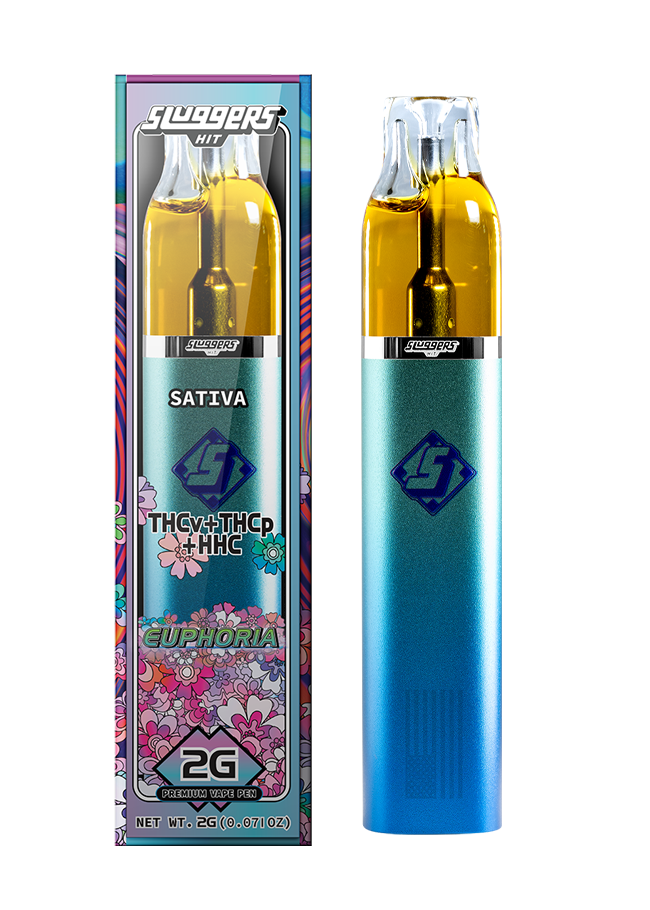
Premium disposables charge via USB-C, not micro-USB or no-charge designs that strand you with half a cart's worth of wasted oil. Airflow is tuned, not just drilled. Form factor matters: a 2g disposable holds twice the oil of a standard 1g, meaning less cost per hit and fewer replacements.
4. Strain Integrity and Flavor Honesty
A premium vape tastes like the strain on the label. Period. If the cart says Rainbow Road Sativa, it should hit with the terpene fingerprint of that cultivar, not a generic "fruity" flavor that could be any sativa.
That means cannabis-derived terpenes, not artificial "inspired by" flavoring. It means Sativa, Indica, and Hybrid labels that match the effect you actually feel. Brands leaning on candy names without strain genetics are selling flavor, not cannabis.
5. Lab Testing and Transparency (COAs)
Every legitimate premium brand publishes a Certificate of Analysis (COA) for every batch. A COA is a third-party lab report showing cannabinoid potency, residual solvents, pesticides, heavy metals, and microbials.
If a brand doesn't publish COAs or hides them, walk away. No packaging design and no THC claim make up for missing lab data. The COA is the only document proving what's in the cart, and premium brands make it easy to find.
What a Premium Cannabis Vape Is Not
Let's kill some myths.
Premium is not just expensive. Plenty of $60 carts are distilled with a markup and a nice label. Price is a weak proxy at best.
Premium is not a high THC percentage alone. A 92% THC distillate cart will get you lifted, sure, but it'll taste like nothing and hit your lungs like a blowtorch. Potency without terpenes is a stunt, not a standard.
Free Joints


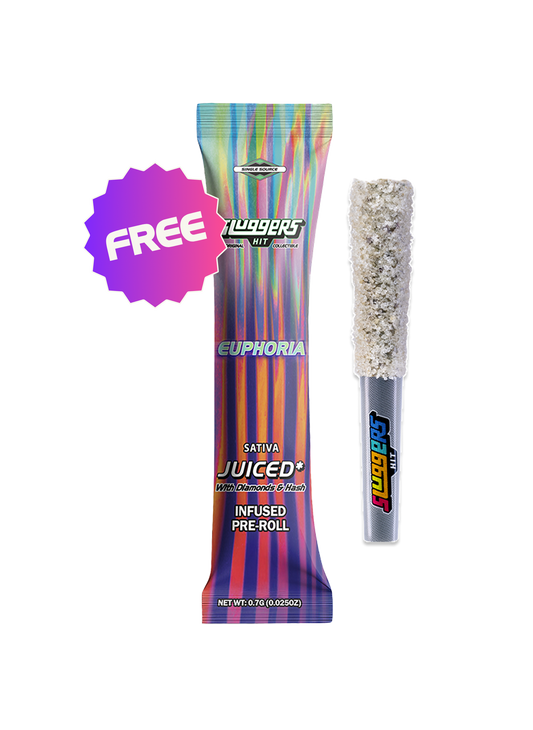
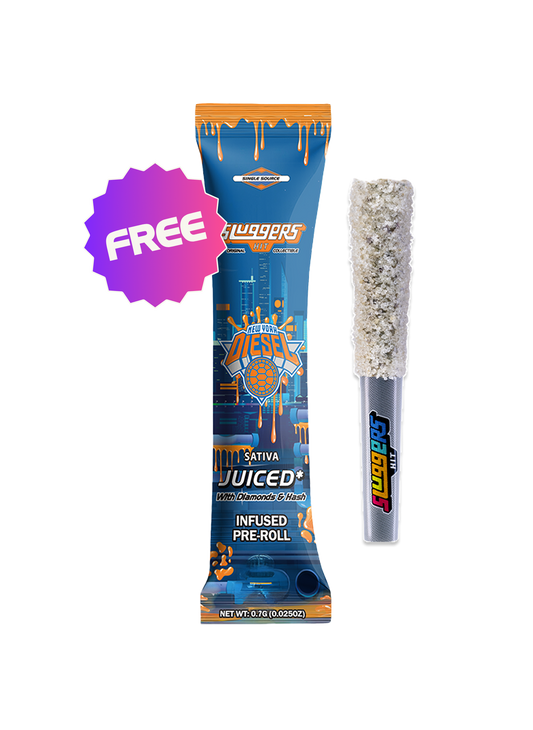
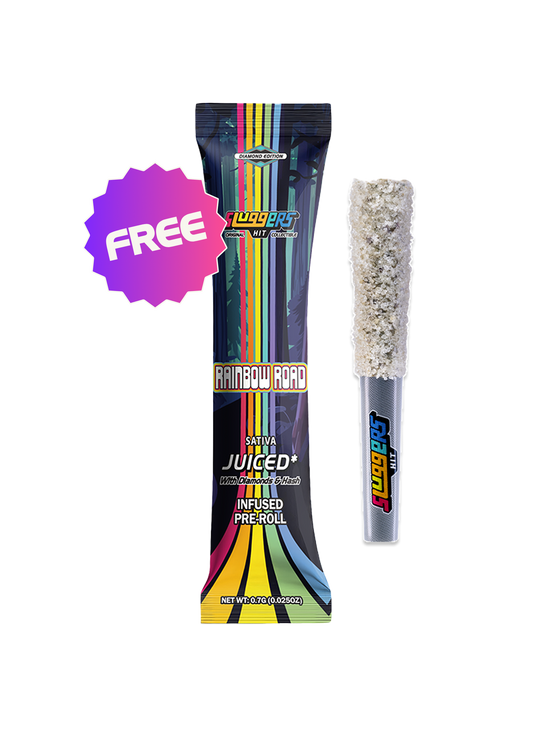

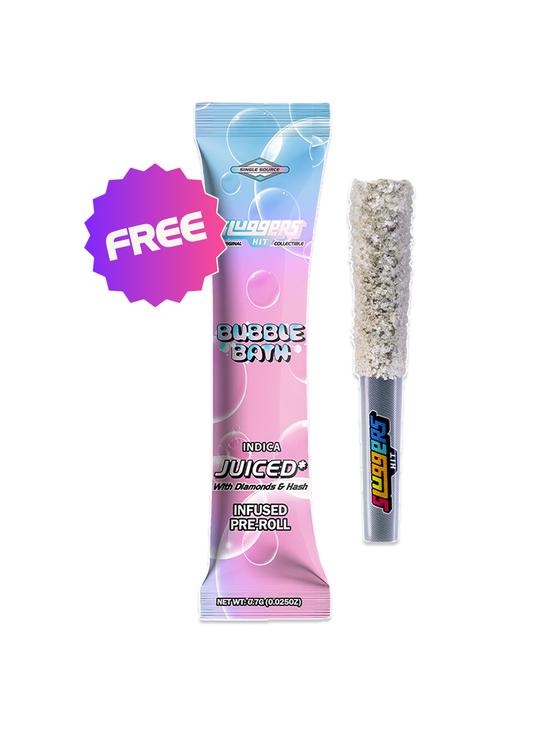

Premium is not gold foil around mystery oil. If you can't tell who grew the flower, who extracted it, and what the lab tested, the box is irrelevant.
Premium is not "everyone says it, so whatever." The word has been abused into near-meaninglessness. The markers (extraction, source control, hardware, terpenes, lab data) are the only things that count.
Inside the Sluggers Approach
Sluggers runs a single-source model out of California's cannabis country. Nursery, cultivation, and extraction all happen under one roof, which means every step from seed to shelf stays with the same team. No outsourced farming. No licensed oil from a mystery lab. Full accountability, every batch.
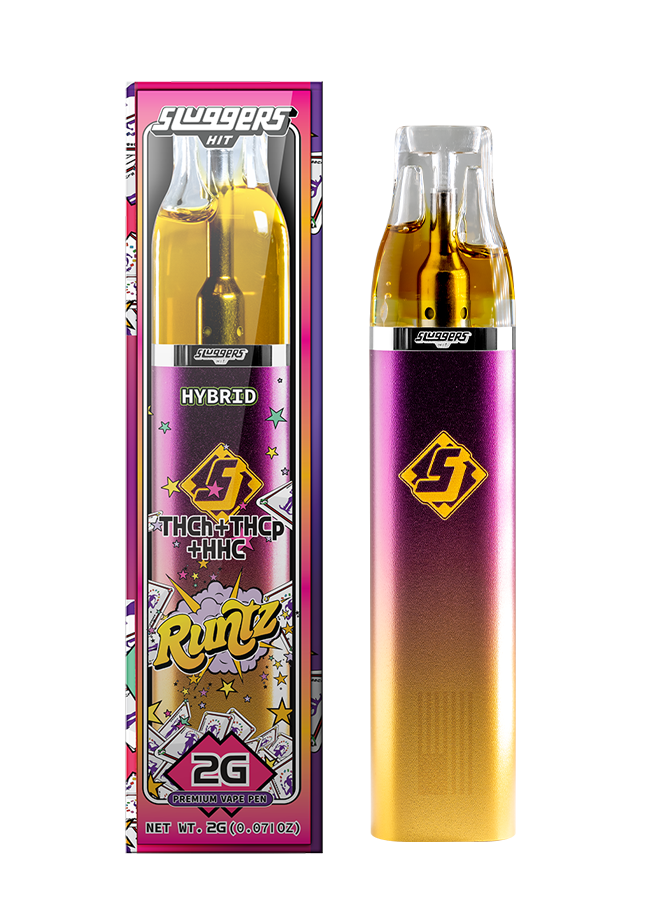
The vape lineup runs on 2g disposables, double the industry-standard 1g by design. More oil per device means fewer replacements, cleaner hardware performance across the cart's life, and better value per hit. Ceramic coils, USB-C charging, tuned airflow: hardware is dialed in.
On the oil side, the extracts are premium tier: live resin and solventless options that preserve the flower's terpene profile. Strain-forward names like Rainbow Road, Bubble Bath, and White Cherry Gelato aren't flavoring gimmicks. They're cultivars with real genetics and real effect profiles.
The full Sluggers lineup runs wider than vapes alone: flower, blunts, mini blunts, bundles, and Pre-roll joints across the Juiced* Packs line. Same single-source standard applied across every format.
Come see the standard in action. The vape collection is the fastest way in.
How to Shop for a Premium Vape Without Getting Burned
Five questions to ask before you buy. If the brand can't answer all five, it's not premium.
-
Is the extraction method listed on the product page? (Distillate, live resin, or solventless should be stated clearly.)
-
Is a COA available and easy to find? (Current batch, third-party lab, full panel.)
-
Are the strain genetics transparent? (Not just a flavor name, an actual cultivar.)
-
Does the hardware signal quality? (Ceramic coil, USB-C, named form factor.)
-
Does the brand own its production, or outsource? (Single-source is the premium tier.)
Five yeses means you're in premium territory. Anything less and you're paying for marketing.
The Bottom Line
"Premium" is the most abused word in vape marketing, but it still means something when a brand earns it. Extraction method, source control, hardware, strain honesty, and lab data. Those are the markers. Everything else is packaging.
Smooth hits, bold flavor, powerful effects. That's the standard Sluggers runs on, and it's the standard every premium cannabis vape should hit. Check the vape lineup and see the difference for yourself.
FAQs about What Makes a Vape Truly Premium
What's the difference between a premium vape and a regular vape?
A regular vape is typically distillate oil in basic hardware, with vague strain labels and rarely any published lab data. A premium vape uses higher-tier extracts (live resin or solventless), ceramic hardware, transparent strain genetics, and published COAs. Cleaner hit, accurate flavor, and you know what you're inhaling.
Is live resin always better than distillate?
Better is the wrong frame. Live resin preserves far more of the plant's terpene profile and delivers a closer-to-flower experience, which most premium shoppers want. Distillate hits harder on raw THC but tastes flatter. If flavor and full-spectrum effect matter, live resin wins. If pure potency is the goal, distillate has a role.
What does "single-source" actually mean in cannabis production?
One company owns the full production chain: growing the flower, extracting the oil, filling the hardware, and packaging the product. No outsourced farming, no third-party extraction, no contract fillers. One team, one standard, batch after batch. In a market where most brands outsource at least one step, single-source is a real quality signal.
How do I know if a vape's THC percentage is real?
Check the COA. If the certificate matches the packaging number and comes from a reputable third-party lab, it's real. If the brand won't publish a COA or the numbers don't match, the label is marketing. High THC claims without lab backup are one of the most common red flags in cannabis vapes.
Are 2g vapes better than 1g vapes?
For value and hardware longevity, yes. A 2g vape holds twice the oil, which usually means better price per gram and fewer device replacements. Hardware also performs more consistently across its lifespan because premium 2g formats are built for the larger load. As long as the oil is of quality, the bigger format is the smarter buy.
Why are premium cannabis vapes more expensive?
Because the inputs cost more, solventless extraction has significant yield losses versus solvent-based methods. Single-source operations carry the cost of running their own nursery, cultivation, and lab. Premium hardware runs higher than bottom-tier parts. Full-panel COAs cost money per batch. The price reflects actual production costs, not a markup on an identical product.